Building Sustainable Data Centers: Pittsburgh Innovation Showcased at CES 2026
By Jonathan Kersting
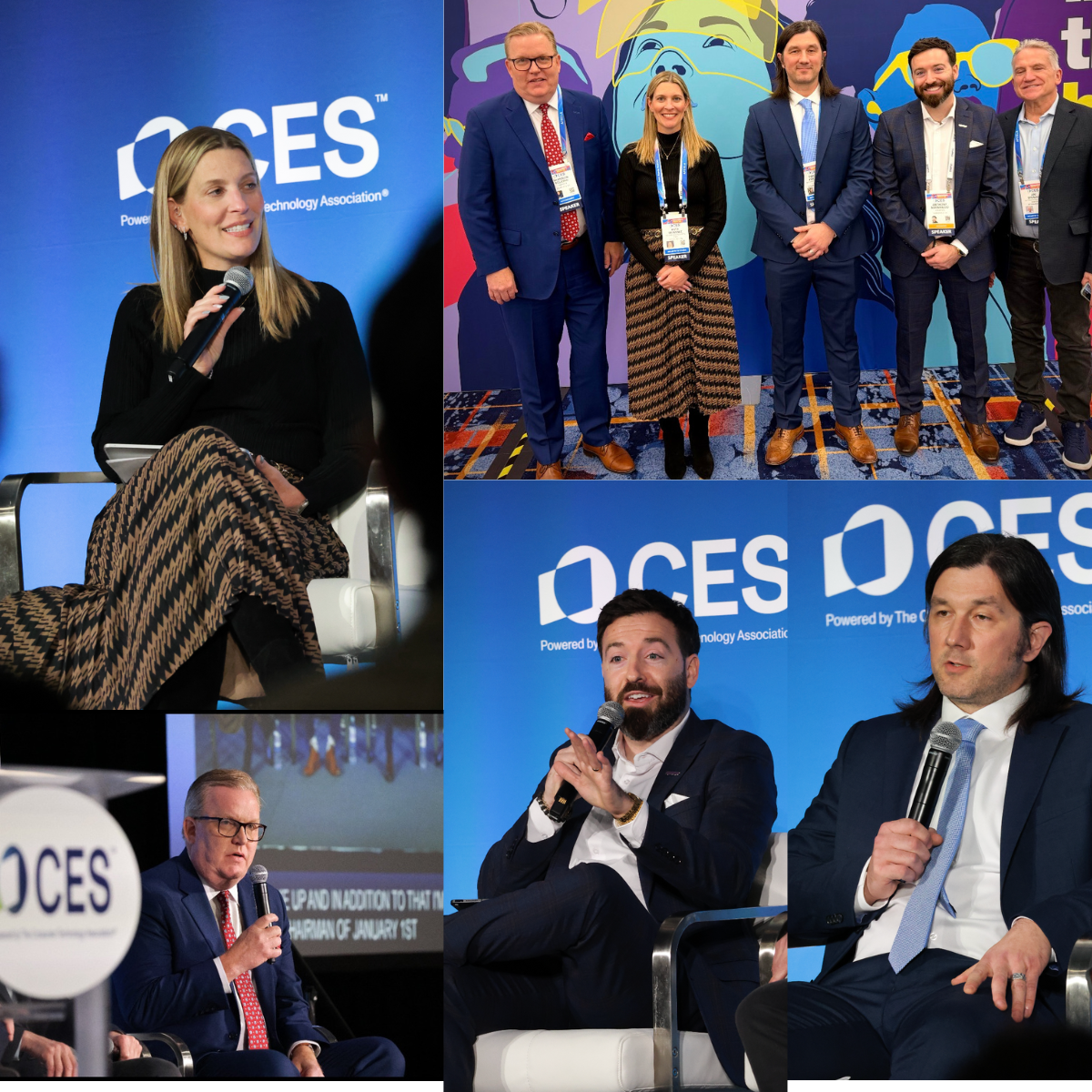 At CES, the Pittsburgh Technology Council and Allegheny Conference convened industry leaders to tackle one of the defining challenges of the AI era: how to build data centers that can scale at unprecedented speed without overwhelming the energy grid or local communities. Moderated by PWC's Katie Mominee, the panel brought together voices from Amazon, Westinghouse Electric Company, Synopsis, and Exus Energy to explore sustainability through the lenses of power generation, grid modernization, regulation, and regional collaboration.
A central theme was the collision between surging AI-driven demand and an aging U.S. electrical grid. As Amazon’s Shannon Kellogg noted, data centers are often blamed for grid stress that has been decades in the making. The panel argued that hyperscalers are not merely consumers of energy but increasingly catalysts for grid modernization, injecting capital that utilities can reinvest into infrastructure upgrades.
The conversation quickly turned to Pittsburgh’s unique positioning. With its legacy energy assets, deep engineering talent, and long history of industrial reinvention, the region was repeatedly cited as a model for how communities can become AI-ready hubs. Westinghouse's Drazen Krajina highlighted its roots in Pittsburgh and its role in advancing nuclear energy, including large-scale reactors and emerging small modular reactors (SMRs), as a cornerstone of carbon-free baseload power for future data center clusters.
Panel Interviews
Technology also emerged as a force multiplier. From virtual simulation and digital twins to AI-driven planning tools, Anthony Matarazzo of Synopsis emphasized that tomorrow’s sustainable data centers will be designed long before concrete is poured. These tools allow operators to model everything from chip-level cooling to full-facility performance based on geography, climate, and power availability.
Regulatory reform was another recurring thread. Panelists called for faster federal permitting, modernized interconnection processes at regional transmission operators, and clearer pathways for nuclear and renewable projects. Without these changes, they warned, even the best technology and capital investment will struggle to keep pace with AI’s growth curve.
Finally, the panel underscored the human and community impact. Exus Renewable's Jim Spencer said revitalizing former coal plant sites to creating thousands of jobs across skill levels, sustainable data center development was framed not just as an infrastructure challenge, but as a generational economic opportunity. The takeaway was clear: sustainability is not a single technology or policy, but a coordinated effort across industry, government, and academia, with regions like Pittsburgh leading the way.
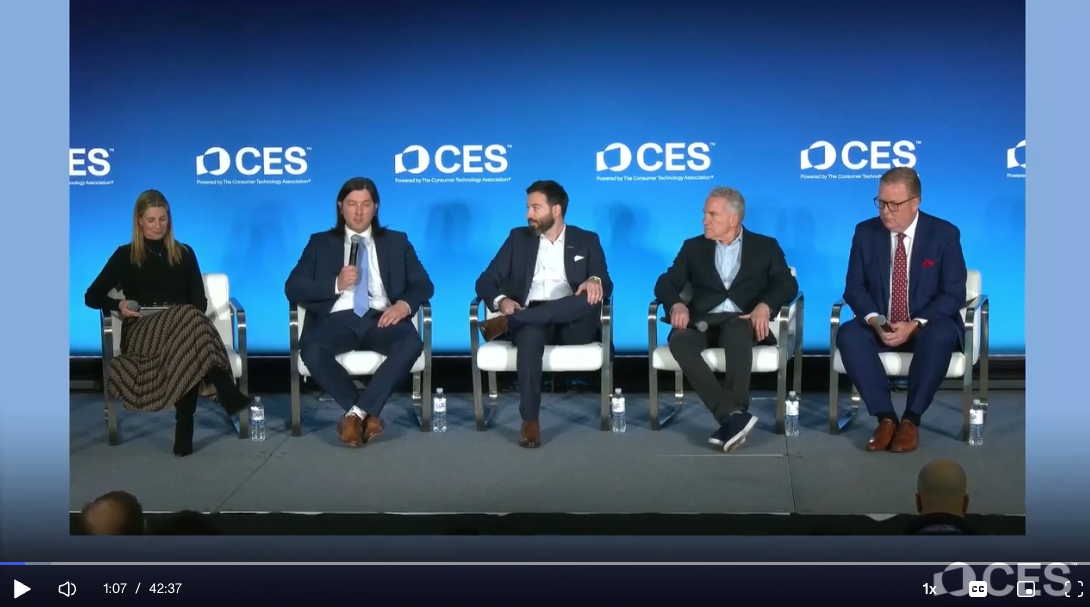
Watch the Full Panel Discussion
(Click Image to Watch)
Photos by John Timney.