Astrobotic’s Griffin Lander Takes Its Next Giant Leap Toward the Moon
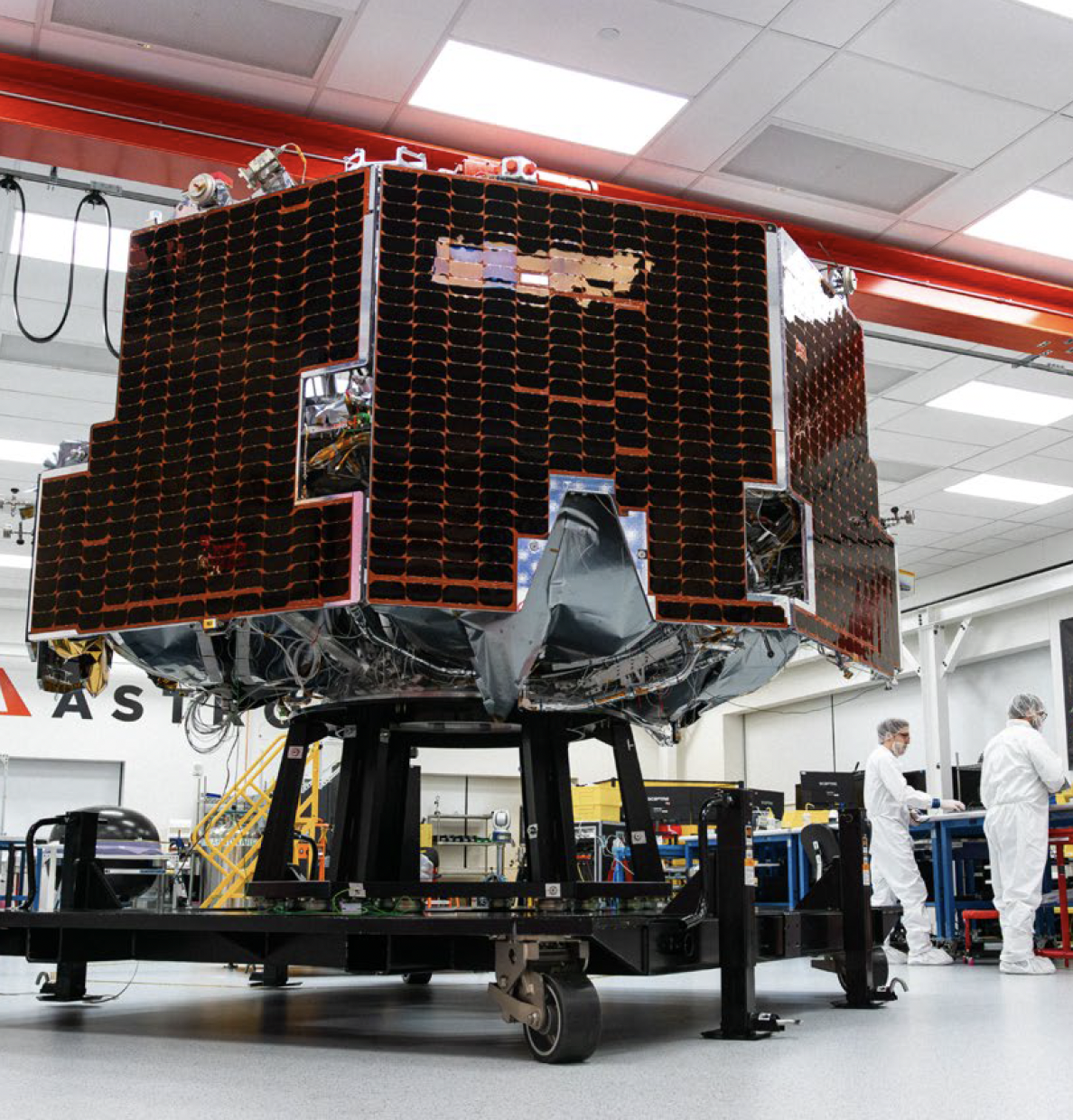 Behind the glass wall at Pittsburgh’s Moonshot Museum, Astrobotic’s Griffin lunar lander stood like a spacecraft cathedral, part engineering achievement, part regional rallying cry.
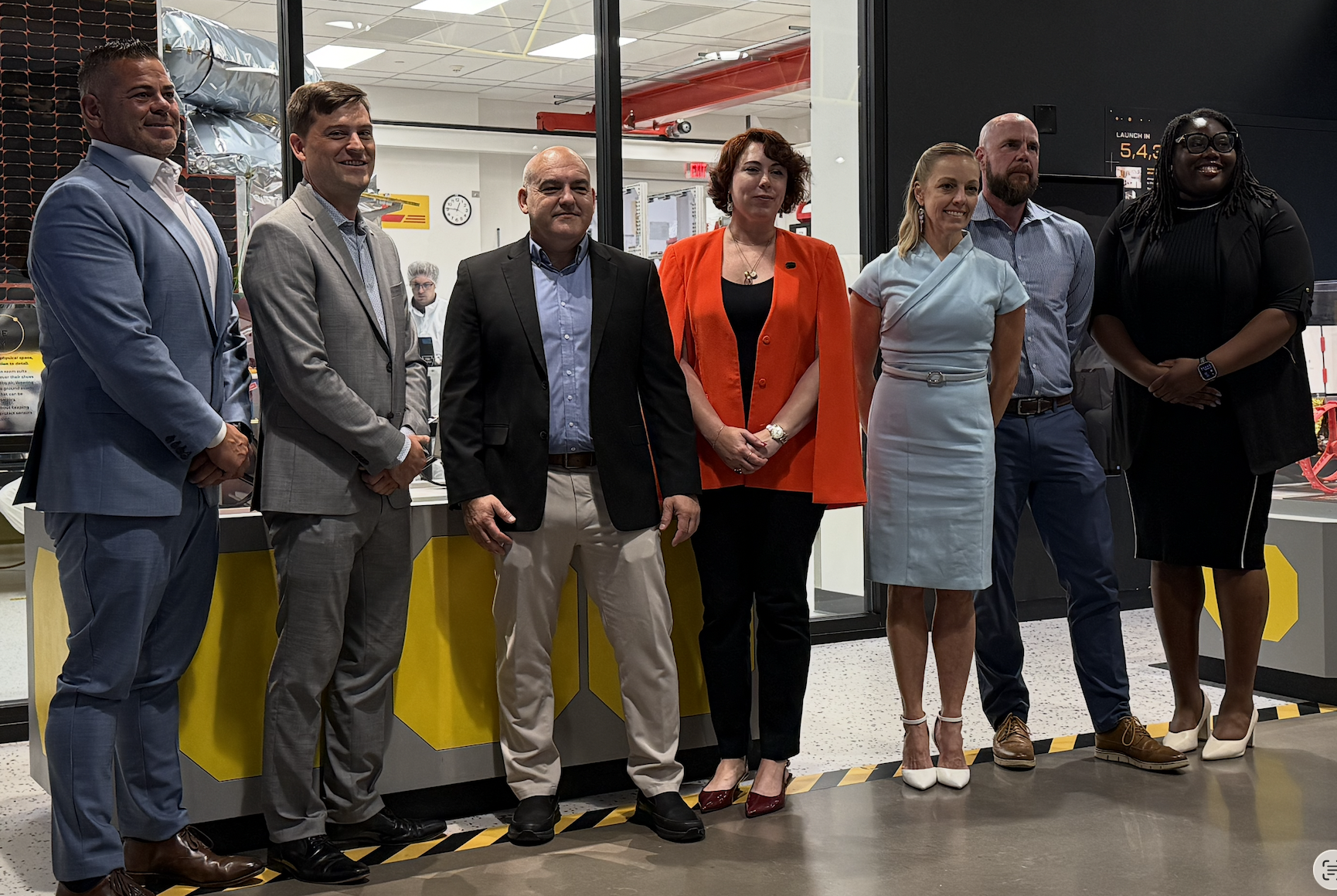
The company unveiled Griffin-1 to government, public sector and partner leaders before the lander departs Pittsburgh for environmental testing, a critical step on its journey toward a planned Q4 2026 launch to the Moon. The event brought together leaders from Astrobotic, NASA, Astrolab, Voyager, Moonshot Museum and the Keystone Space Collaborative to detail the mission and its payloads.
For Astrobotic CEO John Thornton, Griffin represents far more than a lunar delivery vehicle. He said the project has been 19 years in the making and proves that the Pittsburgh region can build great things.
“It proves that we can build anything right here in Pittsburgh,” Thornton said.
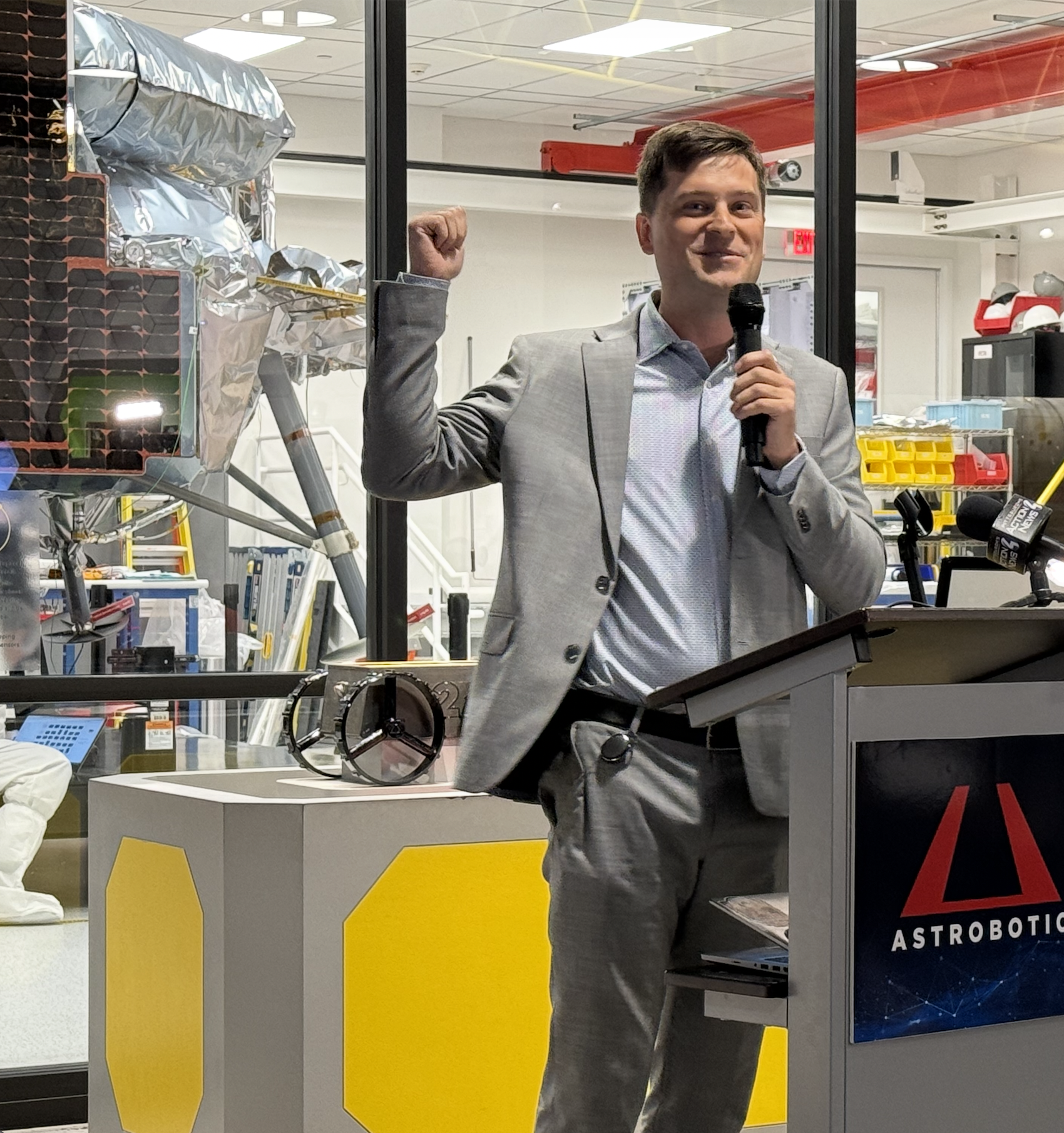 That message landed with extra gravity as Griffin stood only feet away from visitors at Moonshot Museum, a place designed to show the public that space is not some faraway concept. It is being built in Pittsburgh. Justine Kasznica of Babst Calland and the Keystone Space Collaborative, noted that 99 percent of the hundreds of parts used to build Griffin-1 all came from Pennsylvania.
Griffin-1, recently dubbed “Moon Base II” by NASA, is one of the most advanced commercial lunar landers developed in the United States. The mission is targeted for the lunar south pole and will deliver what Astrobotic describes as the largest commercial payload ever sent to the lunar surface. Depending on launch timing and orbital dynamics, Griffin’s trip from Earth to the Moon could take between 10.5 and 25.5 days.
The mission manifest reflects the growing global interest in lunar infrastructure. Griffin-1 will carry 10 payloads from six countries, including five NASA payloads when those riding aboard Astrolab’s rover are included.
Taking the lead role on Griffin is Astrolab’s FLIP rover, short for FLEX Lunar Innovation Platform. FLIP is a technology demonstration rover designed to mature the systems that will support Astrolab’s larger FLEX rover. Its objectives include traveling multiple kilometers across the lunar surface, reaching a hibernation site and surviving at least one lunar night.
FLIP will also host several NASA payloads aimed at advancing science, exploration and future lunar operations. NASA Ames’ METAL instrument will use a multicolor camera and radiometer to help estimate helium-3 concentrations in lunar regolith. NASA Goddard’s Laser Retroreflector Array will help precisely track the rover’s position and remain on the Moon as a permanent location marker. NASA Johnson’s Lunar Dust level sensor and Effects on Surfaces will study how lunar dust affects key systems such as radiators and solar arrays. NASA Marshall’s Lunar LiDAR Demonstration will test hardened LiDAR technology for high-resolution mapping, navigation and hazard avoidance.
Griffin will also carry Astrobotic’s CubeRover, which will demonstrate lunar mobility and real-time operations through BEACON, a collaboration with Mission Control and supported in part by the Canadian Space Agency. The European Space Agency’s LandCam-X will capture imagery to help validate future lunar landing and navigation technologies. Other payloads include DHL’s MoonBox, Stand Up Maths’ Moon Pi, Nanofiche’s Galactic Library to Preserve Humanity and a Nippon Travel Agency plaque carrying messages from children in Japan.
Together, the payloads turn Griffin-1 into more than a lander. It is a mobile testbed, a lunar delivery truck, a science platform, a memory capsule and a Pittsburgh-built proof point for the next era of space infrastructure.
For Astrobotic, the next stop is environmental testing. After that, Griffin heads toward launch, carrying with it the work of engineers, scientists, students, companies and dreamers from around the world.
And at the heart of it all is a Pittsburgh company proving that the Moon is no longer just a destination. It is becoming an economy, an infrastructure challenge and a place where this region intends to lead.