Driving Innovation with AI: Key Takeaways from the Think!AI Summit
By Jonathan Kersting
Scaling AI Across the Enterprise
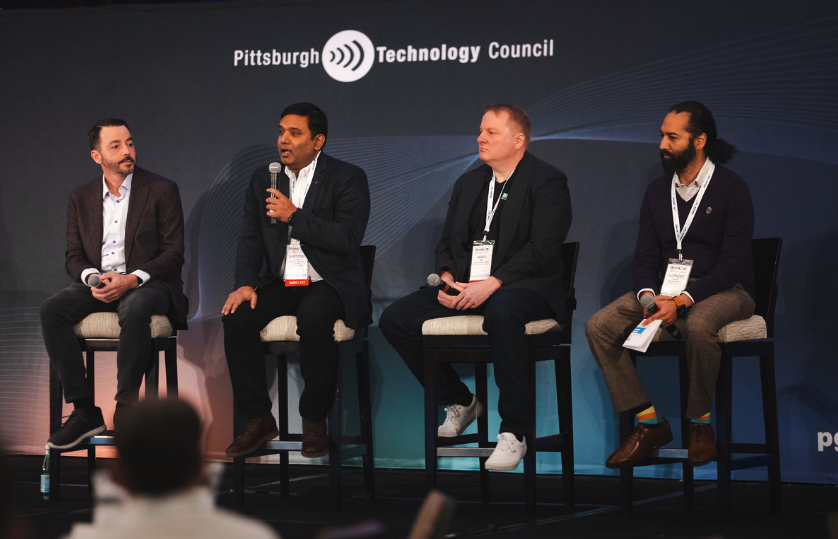 The "Scaling AI Across the Enterprise" panel explored the challenges and opportunities in transitioning from isolated AI experimentation to enterprise-wide implementation. Despite many organizations testing AI, achieving scalability remains elusive for most.
Steve Wray, Director of Economic Development, Office of Mayor Corey O'Connor - City of Pittsburgh; Robert Taylor, Chief Technology and Growth Officer, Pennsylvania Turnpike Commission; Heiko Will, CIO, MSA - The Safety Company; Supreet Singh, Managing Director, Grant Thornton; and Santosh Sinha, Ph.D. , SVP, Director of AI & Innovation, First National Bank shared actionable insights on navigating this shift and driving sustainable, strategic value from AI initiatives.
A key theme was the critical importance of cultural and organizational change to support AI scaling. Panelists stressed the move from a tech-led to a business-led view of AI, positioning it as a foundational business capability rather than an IT experiment. This shift requires organizations to foster the integration of AI into their hierarchy and operations, as well as embrace AI not as an isolated tool but as a driver of business value.
The panel also addressed the challenges of prioritization in scaling AI. To avoid overwhelming governance and risk frameworks, organizations were encouraged to focus on high-value use cases. A measured approach was highlighted—rather than starting from scratch with new initiatives, organizations should scale successful proof-of-concept projects to drive broader impact. This strategic prioritization can optimize resources and secure investments in AI.
Governance and ROI measurement emerged as critical factors for successful scaling. Panelists noted the value of evolving governance structures and highlighted key metrics like accuracy, speed, and quality when assessing AI's impact. These indicators, along with user adoption, provide clarity on whether AI efforts are generating tangible business outcomes.
This session provided attendees with practical guidance and a clearer roadmap for leveraging AI as a long-term competitive advantage, helping them transition from pilots to sustainable, enterprise-wide capabilities.
Personalization, Trust, and the Future of Engagement
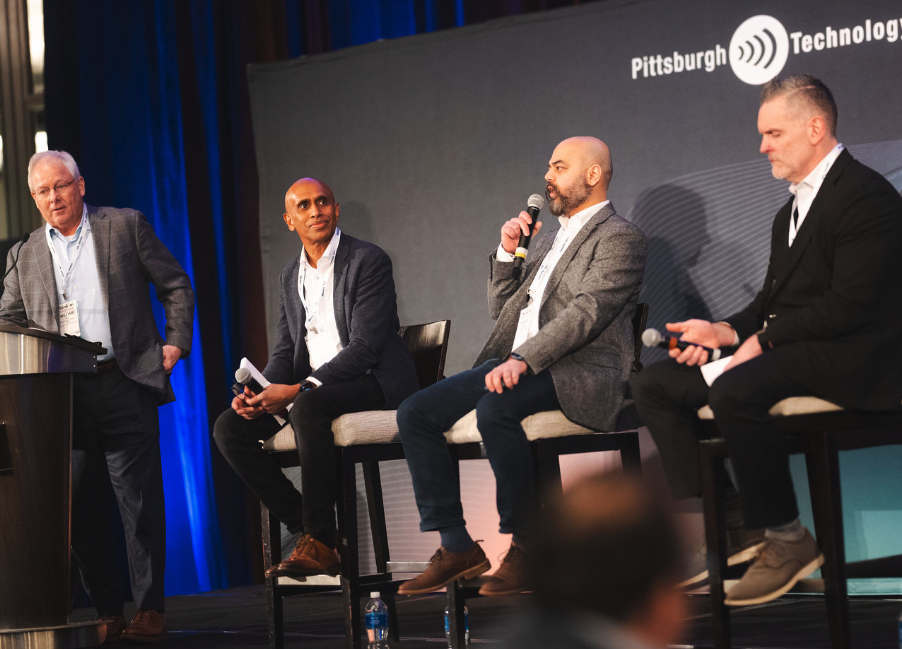 In the Think!AI Summit session, "Personalization, Trust, and the Future of Engagement," panelists William C. Elm, Chief Decision Officer, Cognitive Systems Engineering Fellow, Resilient Cognitive Solutions; Charaka Kithulegoda , Executive Chief Information Officer, PNC Bank; Matt Putila, Vice President, enGen; and Kshitij Sharma, Managing Principal, EPAM delved into the transformative role of AI in redefining customer experiences in today’s era of heightened expectations.
The discussion highlighted how AI is enabling organizations across industries to deliver more personalized, seamless, and trustworthy interactions, while addressing key issues like transparency, trust, and security.
Key technologies, ranging from recommendation engines and virtual assistants to fraud prevention systems and omnichannel engagement strategies, were showcased as critical tools reshaping customer journeys. Speakers emphasized that AI’s power lies in its ability to optimize every touchpoint, improving accessibility, convenience, and personalization at scale.
Transparency emerged as a cornerstone for building trust in AI-driven engagement. Panelists stressed the importance of ensuring that customers understand who or what they are interacting with—whether human or AI—and why specific recommendations or decisions are being made. This involves not only explaining the purpose of AI-driven actions but also providing clarity on how data is collected and used, fostering a stronger foundation of trust.
The panel also explored how governance and consent play a vital role in balancing innovation with ethical considerations. Giving customers the power to opt in or opt out of AI-driven systems is essential for fostering trust and maintaining transparency in the long term. Speakers agreed that transparency, consent, and consistent monitoring of AI systems are essential to ensuring their integrity and performance.
Attendees gained practical insights on how companies are navigating the complexities of personalization, trust, and security in real-time, offering a forward-looking perspective on how AI can foster lasting and meaningful customer relationships.
From Smart Factories to Smarter Decisions
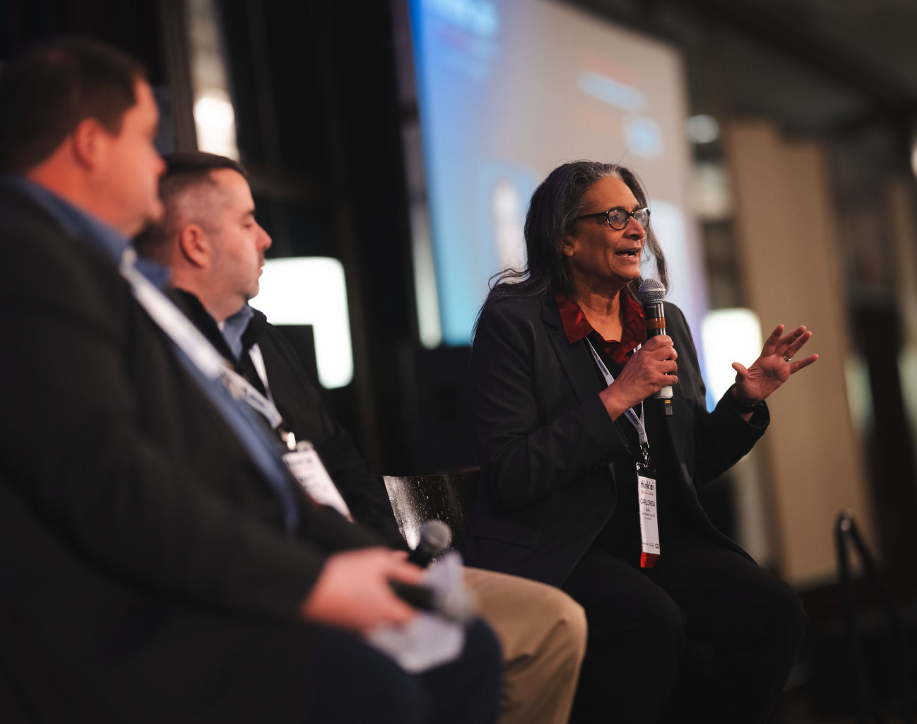 The "From Smart Factories to Smarter Decisions" panel brought together Joe Davolos, Sales Engineer, Cato Networks; Matt Marcotte, Director of AI & Digital, United States Steel; Carlonda Reilly, Ph.D., VP and CTO, Kennametal; and Geff Wood, Senior Director ITAS Operations Portfolios, Alcoa to explore the transformative impact of AI on manufacturing operations and supply chains. This discussion highlighted how AI is revolutionizing manufacturing environments by driving precision, enhancing resilience, and boosting competitiveness, from the factory floor to broader operational landscapes.
Panelists shared real-world examples of how leading manufacturers are leveraging AI to address critical challenges, including reducing downtime, enhancing quality control, and integrating robotics into production processes. By implementing intelligent systems, manufacturers are gaining real-time visibility across their operations, enabling data-driven decisions that promote agility and efficiency.
One key takeaway was the role of AI in modernizing legacy systems and aligning them with advanced digital transformation strategies. Speakers emphasized the importance of building connectivity within factories and across supply chains, as well as capturing high-quality data to feed AI systems. Panel members also discussed how AI-enabled tools, such as predictive maintenance and generative AI, are proving invaluable in optimizing workflows and empowering operators to make smarter, faster decisions.
Transparency and collaboration were recurring themes, with panelists stressing the significance of including employees, especially operators, in the modernization process. Recognizing their input not only fosters buy-in but also helps identify practical, high-value use cases.
This session also explored the challenges of scaling AI, such as ensuring data integrity and balancing automation with human expertise. Attendees walked away with actionable insights on creating smarter, connected factories that prioritize optimization, reliability, and worker safety, providing a clear roadmap for integrating AI-driven innovation into advanced manufacturing settings.