VSP Vision: Bringing Technology, Care and Clearer Futures Into Focus
 Most people recognize the VSP® Vision Care name from their insurance card, a visit to the optometrist or a new pair of glasses. Behind that familiar name, however, is a sweeping technology operation using automation, artificial intelligence and data science to improve nearly every step of the eye care experience.
VSP is one of the nation’s top health-focused vision benefits companies providing affordable access to eye care and eyewear for millions of members through a network of more than 44,000 doctors. Founded by a group of eye doctors more than 70 years ago, the not-for-profit organization remains focused on expanding access to care and “empowering human potential through sight.”
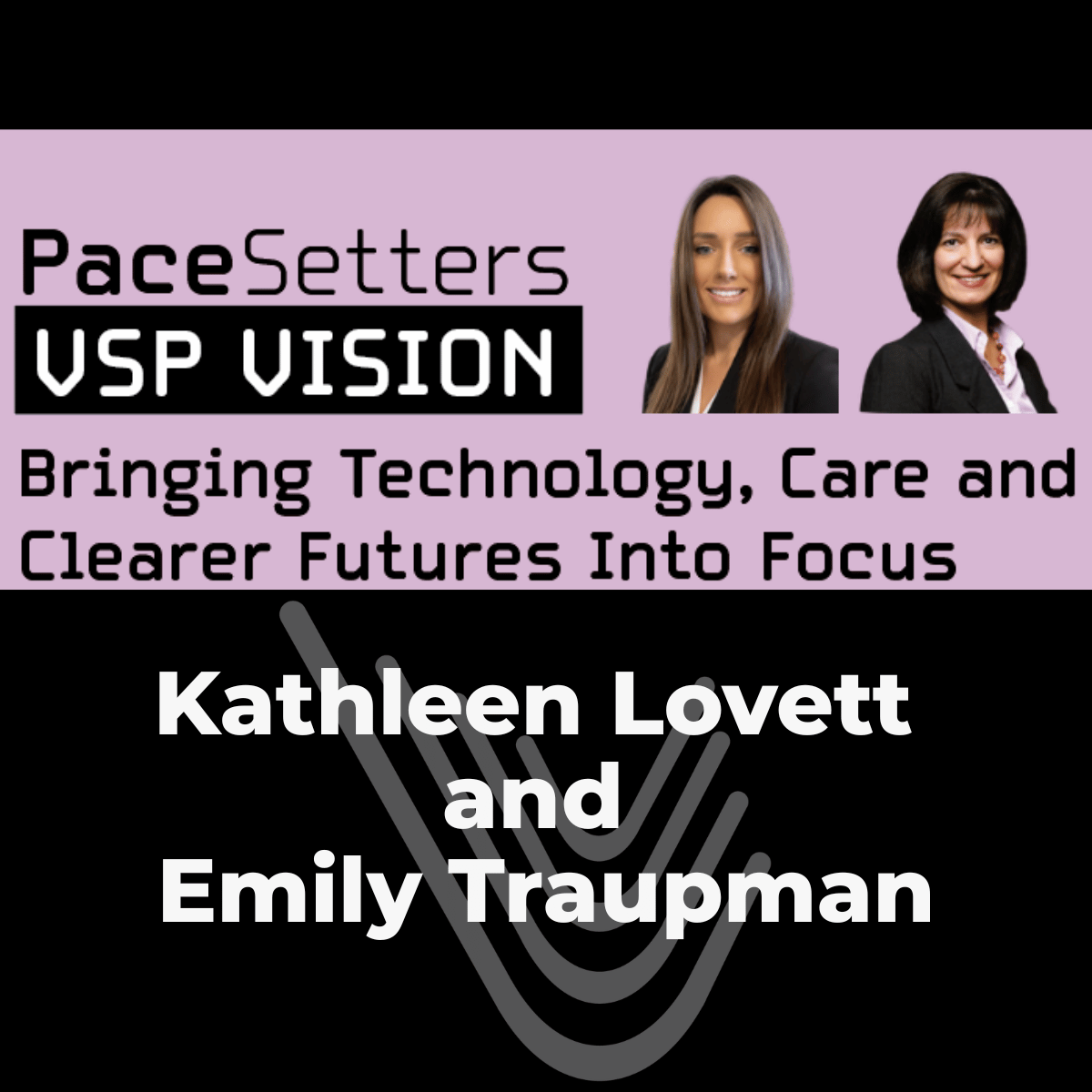
Helping move that mission forward are Pittsburgh-based technology leaders Kathleen Lovett and Emily Traupman.
Lovett serves as VSP’s CIO for eyewear, software, and finance. Traupman heads the company’s technology innovation and quality management team, where she works extensively with robotic process automation, or RPA.
VSP uses software bots to take on highly repetitive business processes, but its automation efforts are rapidly expanding beyond basic copying, pasting and data entry. Traupman’s team also uses automation platforms for quality testing, including the creation of test scripts and test data that can accelerate major technology projects.
“We are using a lot more AI, generative AI, with creating those test scripts,” Traupman said. She noted that VSP is also exploring how AI agents can work alongside its existing bots, removing routine tasks so employees can devote more time and brainpower to complex work.
That philosophy extends directly into eye doctors’ offices.
VSP’s practice management software company Eyefinity, the provider of Eyefinity® Encompass, helps automate workflows for doctors and their staff throughout a patient’s visit. This automation includes appointment scheduling, confirming insurance coverage and receiving benefit preauthorization before patients arrive. Eyefinity recently introduced EncompassScribe, an AI-assisted documentation tool that captures and organizes notes for the doctor during an eye exam.
“The doctor can focus on the patient,” Lovett said. “The clinical notes from the visit can be automatically captured.”
By reducing the amount of administrative work performed during an exam, technology gives doctors more freedom to listen, ask questions and concentrate on care.
VSP is applying similar tools to its sales teams. AI can help representatives plan efficient travel routes, prepare for customer meetings, recall previous conversations and enter notes into customer relationship management systems. Voice technology may also allow representatives to document a visit while traveling between locations.
Technology continues working after the eye exam ends.
VSP’s owned eyecare companies, including Visionworks, are using artificial intelligence and anonymized customer data to help determine which frames should be available in some of their retail locations. Frame selections can vary according to geography, purchasing patterns, brand preferences, colors and other purchasing data. Virtual try-on technology also allows shoppers to preview frames online before making a decision.
VSP has enlisted Carnegie Mellon University students to help explore that challenge. Through a data science for product management course, students were given a real-world assignment: design eyewear assortments that better match the customers visiting specific locations.
The resulting insights can improve the shopping experience for patients while helping VSP maintain the right amount of inventory. Popular frames can be replenished before selling out, while the company can avoid stocking excess products that customers are unlikely to purchase.
Looking ahead, VSP is watching developments in smart eyewear and retinal imaging. Lovett believes advanced retinal scans could offer a less intrusive way to uncover signs of diabetes, Alzheimer’s disease, tumors and other health concerns, connecting routine eye care more closely with a patient’s overall health.
For VSP, though, innovation ultimately returns to access.
During a multiday mobile clinic at the Children’s Museum of Pittsburgh, VSP Eyes of Hope, the charitable arm of the organization, worked alongside volunteer eye doctors to provide free eye exams and, when appropriate, same-day glasses to people who might not otherwise have access to care. The event was held shortly before the start of the school year, helping children return to the classroom able to see more clearly.
That combination of advanced technology, strategic and responsible use of AI and community impact is what makes VSP a true Pacesetter. While VSP does not use AI to process vision insurance claims or to make decisions about benefits, and its automation may operate behind the scenes, the results are easy to see: more efficient practices, enhanced patient care, and more people receiving the vision care they need.