Value Engineering - Finding Unique Solutions For Manufacturers
By Elry Cramer
Value engineering is an important segment of Buchanan Sales’ commitments to our customers. We look at value engineering for cost reduction and/or product improvement. A key to being able to provide this service is to look at both the short-term and long-term needs of a product.
 There have been numerous occasions during my career when I have found that a product has been launched using a lower volume production process and over time, volume has increased but the original manufacturing process was still being used. As an example, quite often while being given a plant tour I have seen hundreds or thousands of parts that you could tell from their edge condition were being nibbled or laser cut when short run stampings would be a more cost-effective manufacturing process.
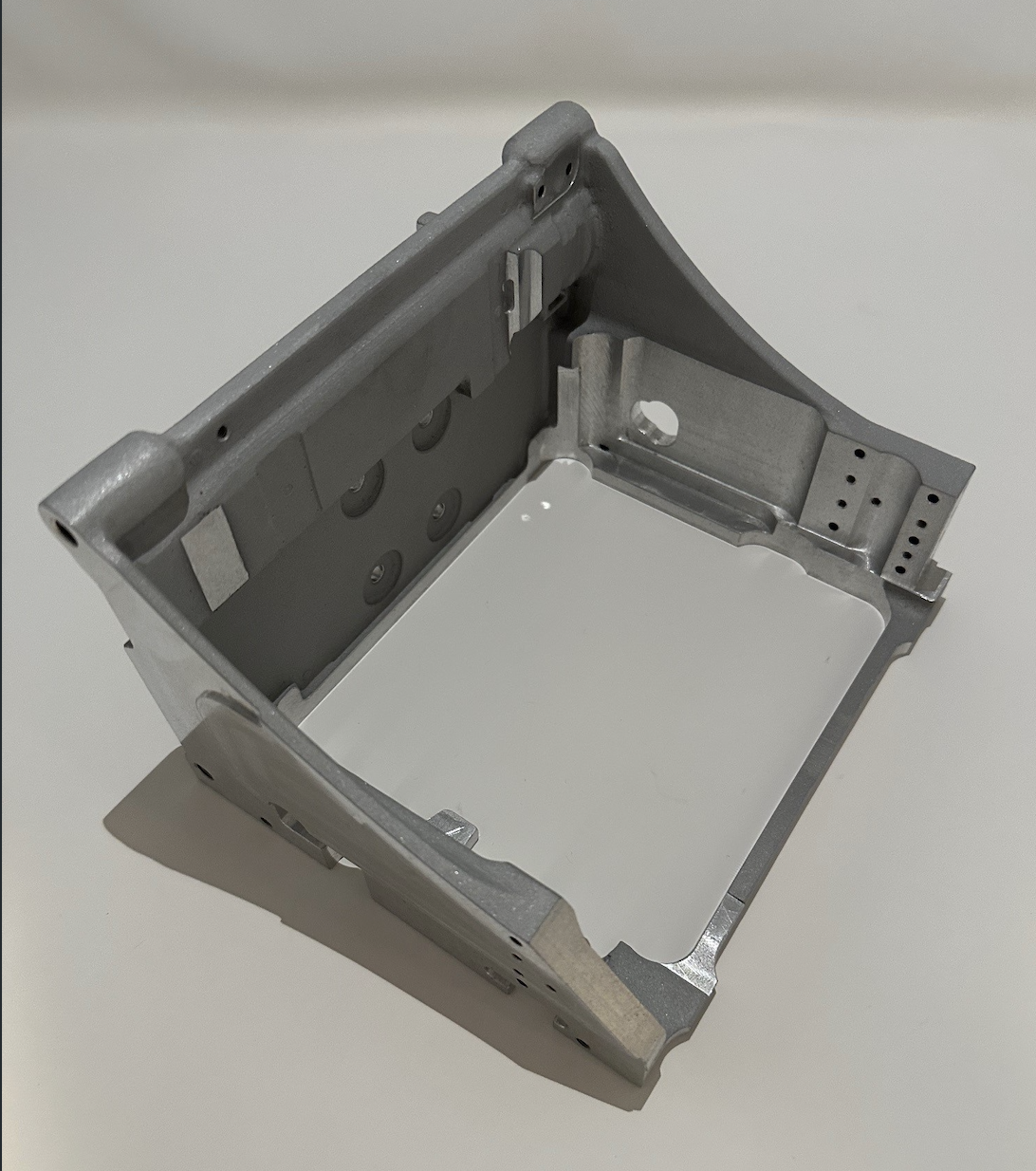
Another great value engineering opportunity is converting machined or fabricated parts to castings. In the case of machined parts, the two most important criteria to make a conversion to castings are, “How many chips are being produced by the machining process?” This affects both machining time and material cost. The second criteria is, “How expensive are the chips?” which affects material cost. Castings may also offer additional design considerations most often affecting aesthetics.
Sometimes the solution is less conventional. As an example several years ago we worked with a customer on a high-volume screw machined part that was having control issues in the machining process due to the large difference in the major and minor ODs of the part. The part was an armature for a solenoid for a climate control system for a major automotive manufacturer. Most of the length of the part was .125” in diameter. One end required a .750 diameter .100” in length section to provide enough material to engage the opening of a port using an electromagnet to activate the solenoid. Because the part required such extensive material removal for most of the part there were control issues affecting the quality of the part that affected both the rubber molding process that my customer provided and the functionality of the end part. While the parts were acceptable, there was room for improvement.
 One of my manufacturers and I worked with procurement and engineering to see if we could come up with a way to improve the part. While it seems to be counterintuitive, we looked at going from a single machined part to a two-piece assembly. The volume for the part was 165,000 a week, which gave us some freedom in capital investments as a part of potential solutions.
We came up with a design for a two-piece assembly using a stamped washer with a coined chamfer in the ID of the part and a .125” diameter screw machine part with a shoulder to provide material to flow into the chamfer on the stamping to create a superior swaged assembly. We then designed a bowl fed automatic assembly machine to assemble the parts, swage the parts, check for perpendicularity and conduct a pull test for strength.
The result was a superior part with a cost reduction from $0.14 a part to $0.07 a part. In addition, the repeatability of our part enabled the customer to automate the molding process for an additional $0.07 per part savings. In addition, we worked with our injection molder to improve the mating part to improve the efficacy of the sealing process when the solenoid was engaged. This was accomplished by controlling the parting line in the sealing area and the creation of an effective leak test to make sure that the height of the parting line was in control.
Sometimes the answer is just choosing the best process. Because of Buchanan’s diverse manufacturing process capabilities, we are not trying to make the part fit our process. We are looking for the best process for the part. There is an old saying, “If all you have is a hammer, everything looks like a nail.” We offer a toolbox, not a single tool.
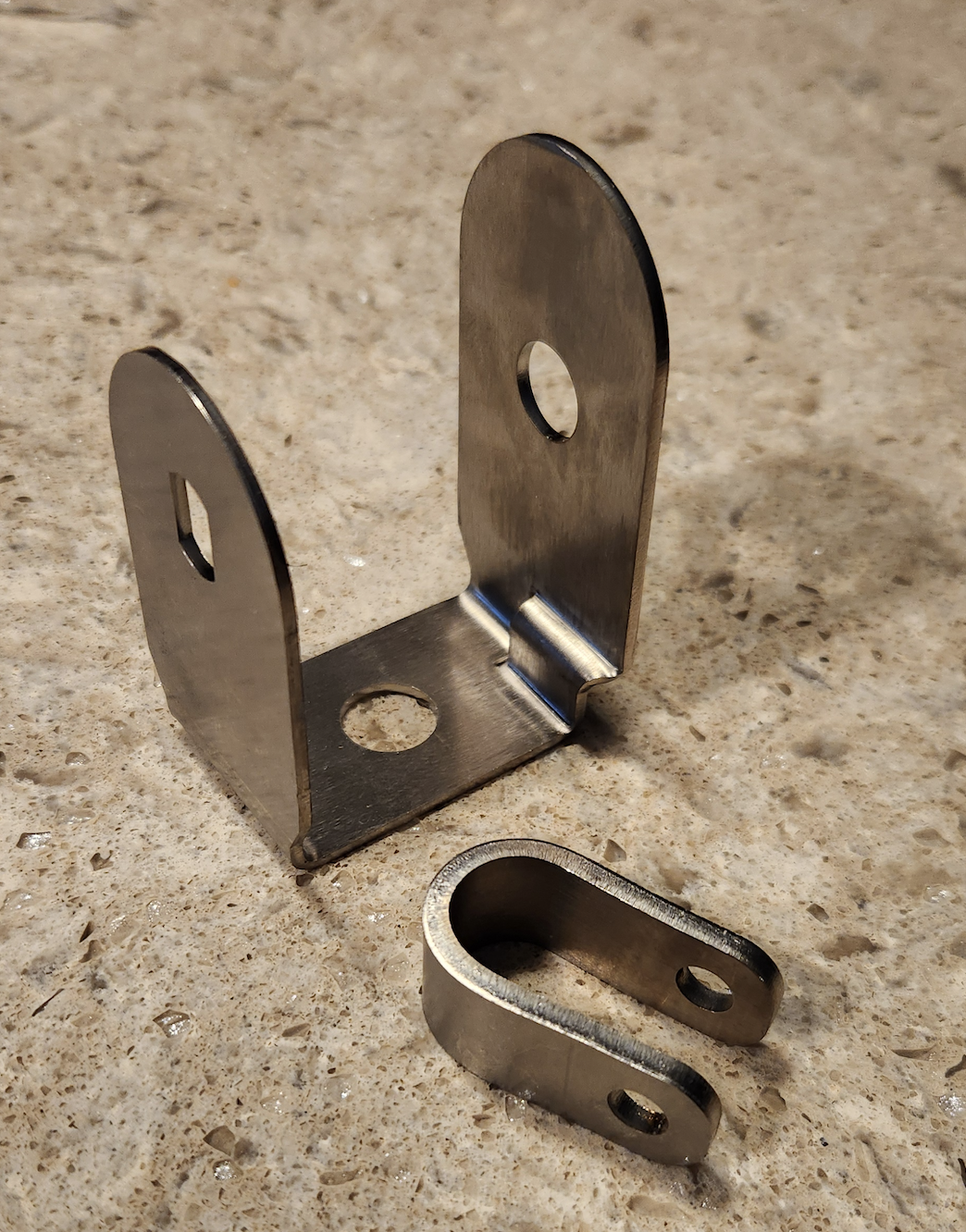 Several years ago, a large television manufacturer sent us a part to quote. We assessed that the best process to make the part was four-slide stampings. When following up on our quote, we were told that our quote had been eliminated from consideration because our prices were too low compared to all of the other quotes and that we must have made a mistake. Our answer was that everyone else made a mistake because they quoted the wrong process. Other than sending the inquiry to Buchanan, all other inquiries went to conventional stamping houses that quoted based upon the only process they had to offer. We had that option, but it was not the best option for that part.
A significant portion of our business is receiving RFQs from our customers and choosing the best process for that part. The fun part of our business is working with procurement and engineering on choosing the best process to quote on those RFQs and if necessary, working with the customer to discuss any DFM that might be necessary to provide the best solution. We also enjoy looking at an existing product on a value engineering basis to see if there is a way to reduce costs and/or improve the product.
If your solution does not require a capital expenditure, it is a no brainer. If there is a tooling cost needed the formula we use is multiplying the per part cost savings realized times the annual quantity of the part. If the one-year savings is larger than the capital expenditure it is a win.The design of the part must be solid and the life of the part must exceed a year. There can be exceptions. One of our customers had a 30-year part life and looked for a tooling payback in two years, but in most cases a one-year payback is a good number for taking advantage of a value engineering solution. Value engineering is a great way to create a win for our customers.