Before the Servers Arrive: The Environmental Infrastructure Behind PA's AI Boom
By Greg Geibel, Hunt Valley Environmental
Pennsylvania's data center boom represents billions of dollars in potential investment. Yet of the 58 proposed projects that had engaged with the PA Department of Environmental Protection (DEP) by August 2026, just five had secured every permit required for their initial phase of development. For developers who successfully navigate the approval process, the potential rewards are substantial, including a state sales and use tax exemption that can be worth millions to qualifying projects.
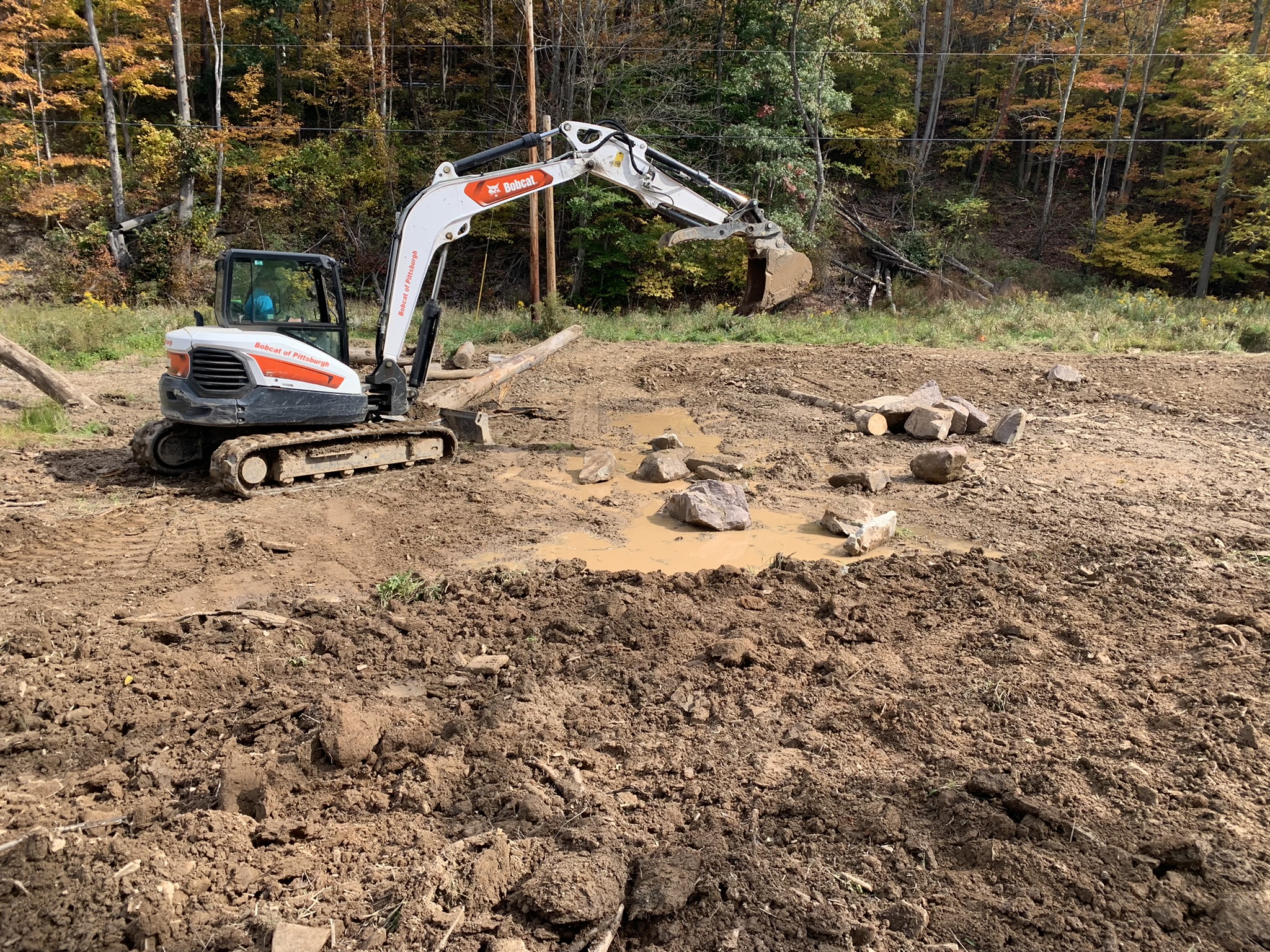 Those figures, released by the Pennsylvania Governor's Office alongside an August 2026 executive order, come from a pipeline exceeding 100 projects reported in public databases. Only 15 of the 58 projects that engaged with the DEP had submitted at least one permit application. Although these projects are at different stages of maturity, the figures illustrate the considerable work involved moving from a proposed development to a project ready for construction.
Successful development requires more than access to capital, power, and suitable acreage. Site investigations, regulatory requirements, municipal approvals, and permitting schedules all influence a project's feasibility. Understanding how these elements interact lets developers identify problems while they are still inexpensive to fix. And for the region's technology companies and investors, how quickly projects move from announcement to operation matters.
Beyond the Property Map
On paper, a development site may appear ideally suited for a major investment. Yet some of the conditions that influence its development potential are not readily apparent.
Wetlands, streams, floodplains, protected species habitat, archaeological resources, and historical land uses can affect site design, construction methods, and permitting requirements. In southwestern Pennsylvania, where many attractive sites are former industrial properties or sit above abandoned mine workings, that history can include undermined ground, mine drainage, fill material, and contamination that no property map will show.
Thorough site evaluations, including field investigations, are essential for identifying and delineating wetlands, streams, and other aquatic resources. They can also reveal less obvious conditions, including drainage alterations caused by prior grading or previous land use.
A Pennsylvania riverfront infrastructure project our team worked on demonstrates how environmental findings and engineering decisions influence one another. Although environmental and cultural resource constraints were identified early, engineering was already underway. As plans evolved, proposed improvements required revisions to address wetlands, river impacts, archaeological resources, and freshwater mussel habitat considerations. These changes necessitated further fieldwork and agency coordination, increasing costs and affecting the schedule.
Those same modifications, however, created opportunities to reduce environmental impacts and avoid substantial compensatory mitigation expenses. Although this project did not involve a data center, the lessons apply directly to large-scale technology infrastructure development, where buildings, roads, utilities, and stormwater facilities must be accommodated within a coordinated site design.
This is where thorough due diligence delivers its greatest value. Beyond identifying restrictions, it allows developers to weigh a property’s potential and alternative layouts, establishing a sound basis for design and approvals before significant engineering investments are made.
Permitting Is a Process, Not a Single Approval
With a site's characteristics established and preliminary plans underway, the next step is obtaining the approvals necessary for construction.
Depending on the project, these may include municipal land-development approvals, erosion and sediment control plans, stormwater management and NPDES permits, waterway and wetland authorizations, protected species coordination, and potentially air quality or water-related approvals.
These requirements do not necessarily follow a single timeline. Some activities can proceed simultaneously, while others depend on completed studies, engineering decisions, or approvals from another agency. A change to the site layout can affect several applications, creating dependencies that must be considered when establishing the overall project schedule.
Pennsylvania's Governor's Responsible Infrastructure Development (GRID) requirements introduce further considerations for data center projects. Announced in February 2026 and detailed in May, GRID addresses energy affordability, environmental protection, workforce development, transparency, and community engagement. An August 2026 executive order gave the requirements force in the permitting process for data centers exceeding 25 megawatts.
Under the order, developers that sign a Consent Order and Agreement with DEP, making legally binding GRID commitments, can advance applicable DEP permit reviews while pursuing required local approvals. However, DEP cannot issue those permits until the necessary local approvals are secured. Developers that do not make those commitments cannot begin DEP review until all local approvals are in place.
GRID does not replace existing environmental permits or municipal approvals. Instead, it introduces requirements that must be integrated into the broader development schedule. It requires understanding how separate approvals relate to one another and how decisions made throughout design development may affect applications already underway.
Learn more about Hunt Valley Environmental here.