Pittsburgh Pacesetters: Building What Comes Next
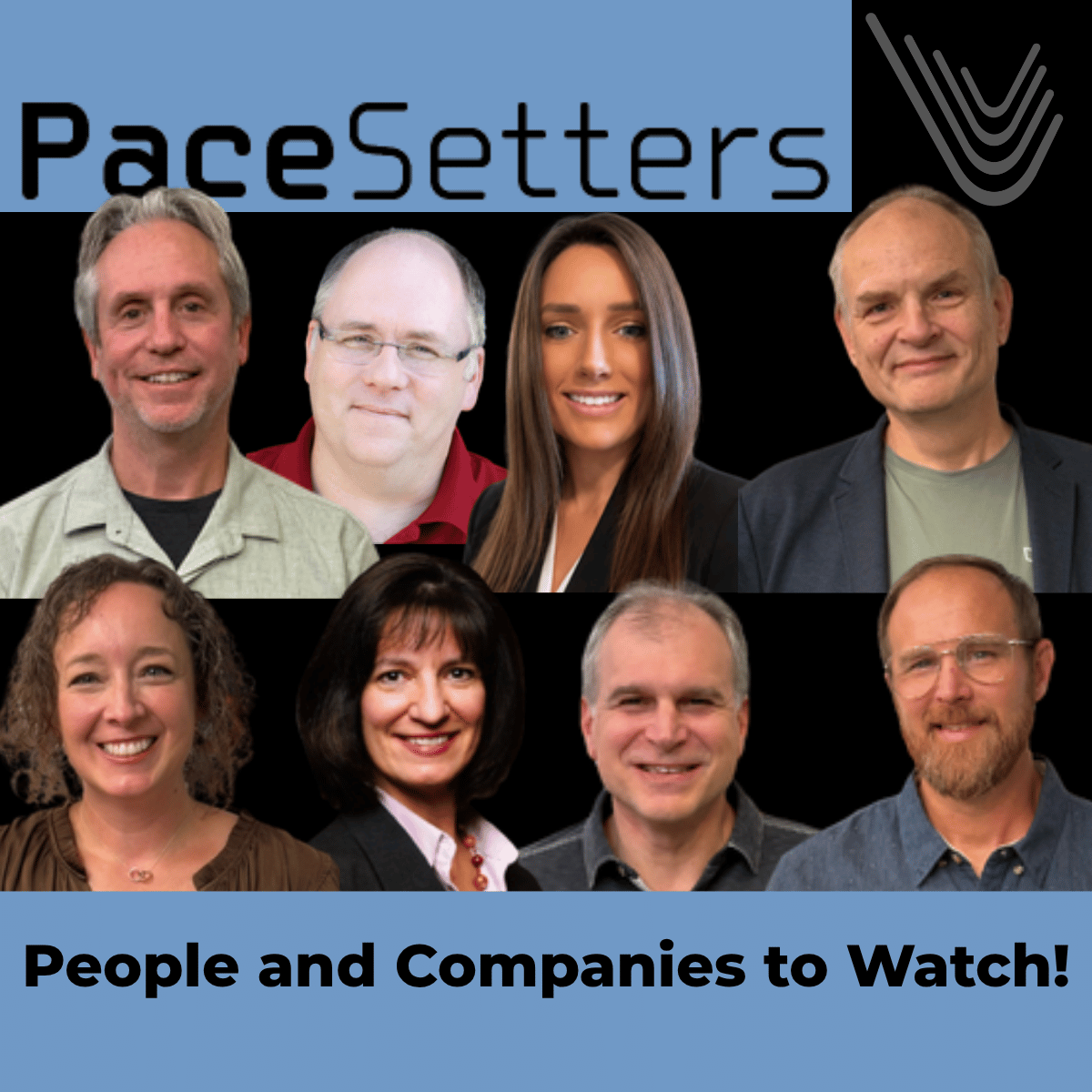 What does it mean to be a technology pacesetter?
Sometimes it means developing a new therapy that could change how patients heal. Sometimes it means giving software developers better tools, using artificial intelligence to make sense of billions of data points, transforming how infrastructure is understood, finding entirely new ways to connect vision care with technology or helping an idea make the difficult leap from concept to a product that actually works.
The Pittsburgh Technology Council’s Pacesetters series goes inside companies that are doing more than simply adopting the latest technology. They are applying it to real problems, building businesses around it and pushing their industries forward.
Across these conversations with Cook MyoSite, Woolpert, MESCIUS, Lovelace.ai, VSP and Daedalus, a common theme emerges: Pittsburgh remains a place where deep technical expertise meets practical problem solving. These organizations are working across regenerative medicine, geospatial intelligence, software development, artificial intelligence, vision care and product design and engineering, yet each is asking a similar question: How can technology help us do something better than we could do it yesterday?
The answers range from muscle-cell therapies and digital twins to AI-powered developer tools, context engines, next-generation vision technologies and the multidisciplinary engineering required to turn promising ideas into real-world products. Behind every one of those technologies are people building teams, making bets, solving problems and figuring out how to turn possibility into something useful.
Meet six Pittsburgh Pacesetters helping define what comes next.
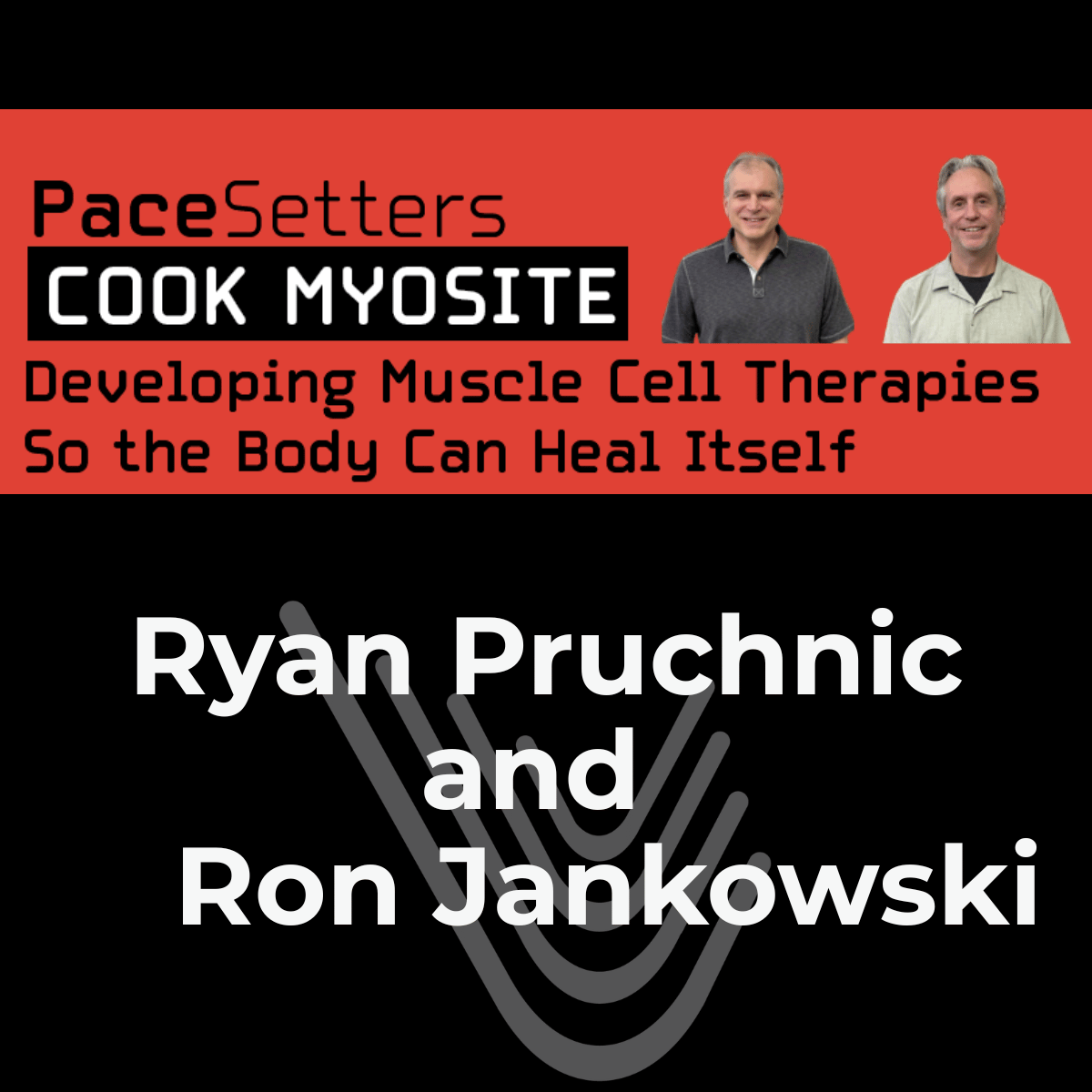 Cook MyoSite: Making Regenerative Medicine Routine
For more than two decades, Cook MyoSite has been building regenerative medicine technology in Pittsburgh with an ambitious goal: use a patient’s own muscle cells to address difficult medical conditions where better treatment options are desperately needed. Ryan Pruchnic and Ron Jankowski explore the company’s long journey from early research to clinical programs, including work involving women’s health, fecal incontinence and swallowing disorders. At the center of the story is a powerful idea that Cook MyoSite has been steadily advancing for 24 years: regenerative medicine should ultimately become not an extraordinary treatment, but a repeatable platform that physicians and patients can routinely put to work.
 Woolpert: Turning the Physical World Into Actionable Data
Roads, bridges, airports, utilities and entire communities generate enormous amounts of information. Woolpert is bringing together geospatial technology, laser scanning, robotics, data science and artificial intelligence to transform that information into better decisions. Through its Pittsburgh presence and the integration of Allvision, the more than century-old architecture, engineering and geospatial company is building a regional innovation hub capable of capturing the physical world and converting it into digital intelligence. The result is a fascinating look at how digital twins, advanced sensing and AI are reshaping the way infrastructure is designed, maintained and understood.
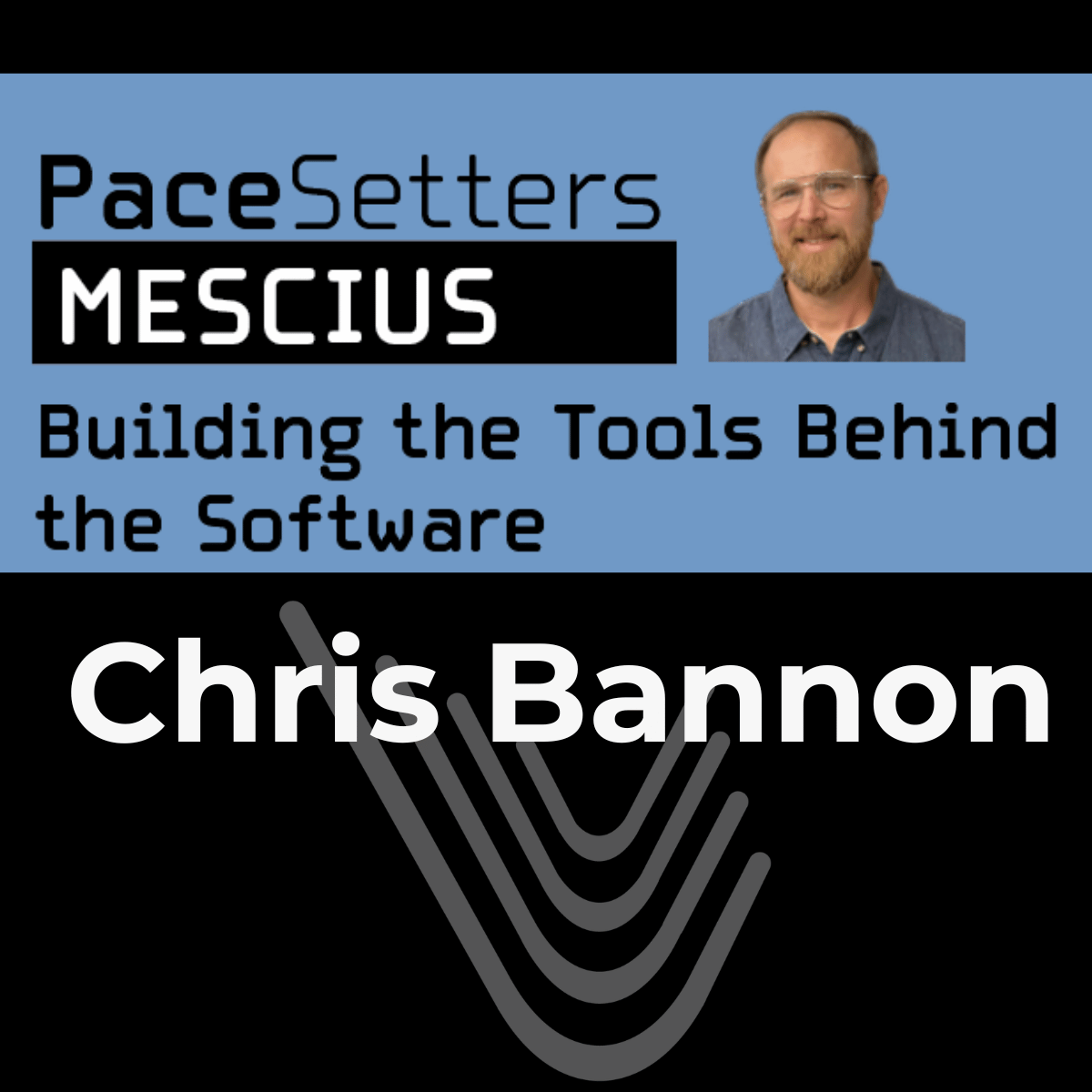 MESCIUS: Building the Tools Behind the Software
Nearly every great piece of software depends on another layer of technology most users never see: the tools developers use to build it. MESCIUS has spent decades creating those tools, providing what Chris Bannon describes as the equivalent of the “Stanley tools” of software development. Now artificial intelligence is creating an entirely new chapter. From smarter reporting and automation to an MCP server that gives AI coding agents accurate knowledge about MESCIUS APIs, the company is helping developers build sophisticated applications faster while reducing tedious work. It is a reminder that spreadsheets never really disappeared, software development never stopped evolving and AI could dramatically increase what individual developers are capable of producing.
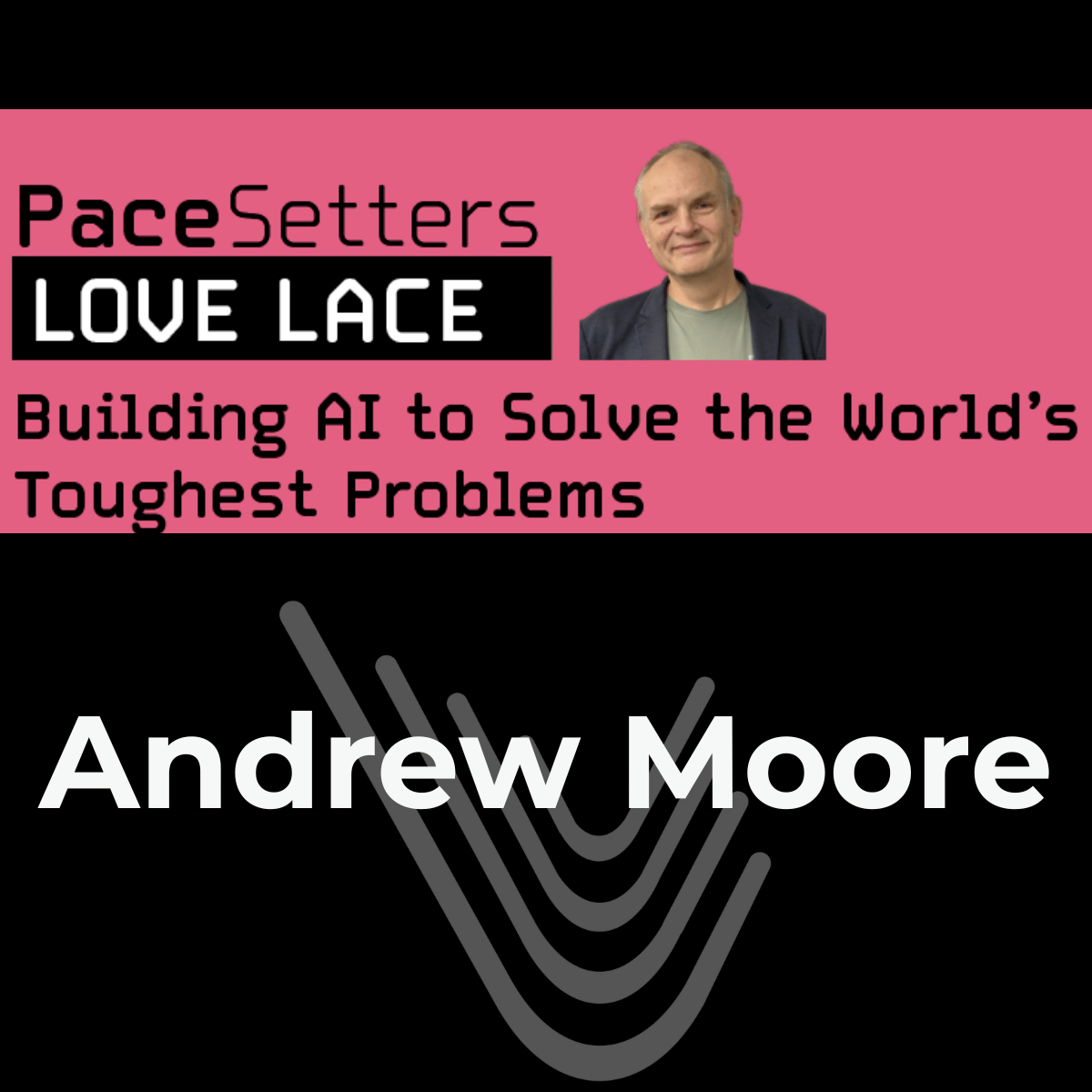 Lovelace: Finding Meaning in Billions of Data Points
The world is swimming in data. The harder problem is figuring out what matters. Lovelace, led by Andrew Moore, is tackling that challenge with a Pittsburgh-built context engine designed to turn enormous amounts of information into actionable insight in minutes. Its compact team focuses on difficult, high-stakes problems where better understanding can affect safety, lives and the deployment of critical resources. Rather than treating AI simply as a tool for generating content, Love Lace is using it to help humans understand complex environments and make better decisions. It is technology with consequences, built around Moore’s belief that Pittsburgh remains a place where you build things that work.
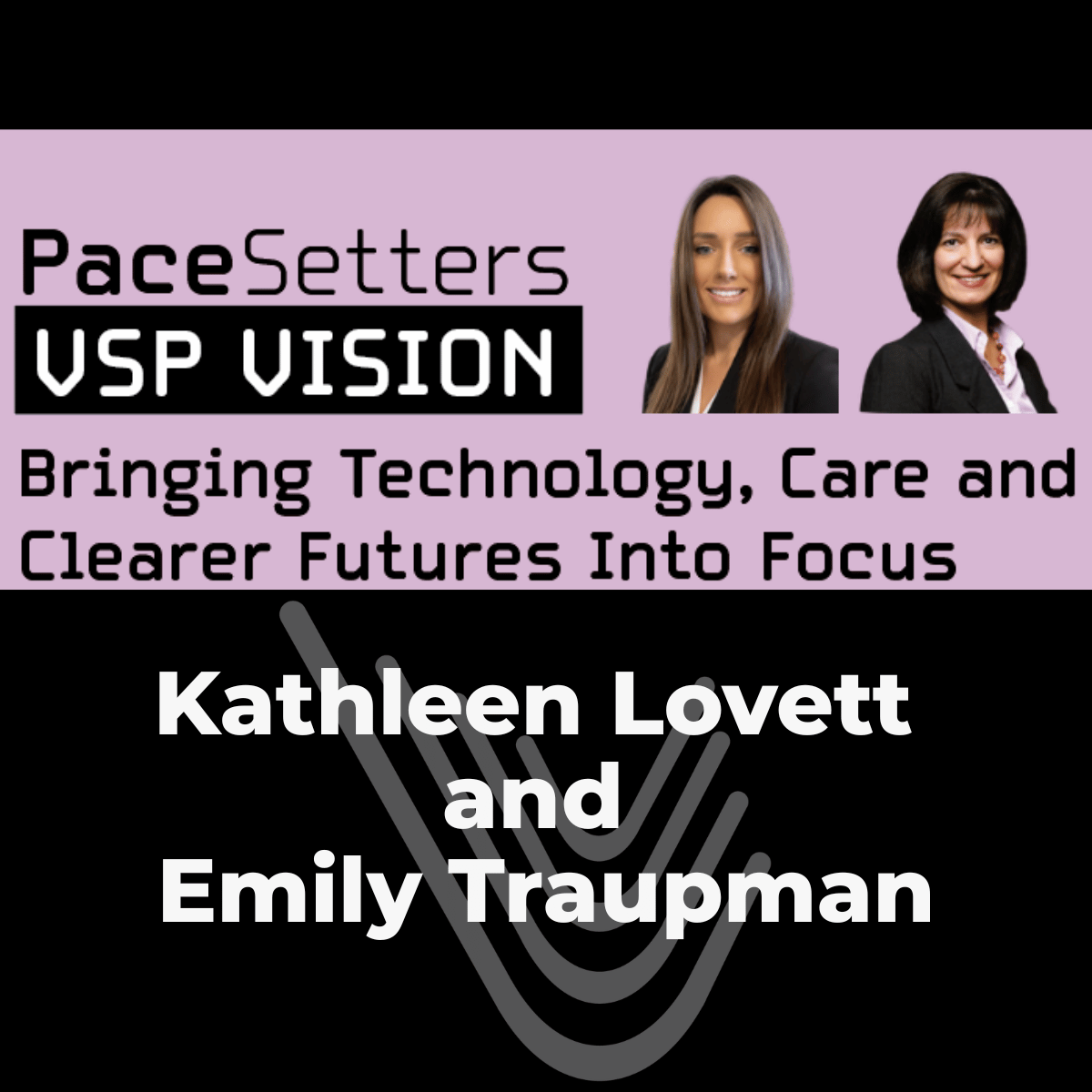 VSP: Where Vision Care Meets the Future of Technology
At VSP, technology touches everything from the software running the organization to the eyewear sitting on a patient’s face. Kathleen Lovett and Emily Trautman explore how one of the nation’s largest vision-care organizations is incorporating robotic process automation, AI-assisted software testing, virtual experiences and emerging technologies into a mission centered on expanding access to eye care. VSP is even working with Carnegie Mellon University on AI-powered approaches to eyewear assortments while exploring opportunities involving virtual try-on technology, wearables and retinal health. With more than 80 million members, seemingly small technology improvements can operate at enormous scale, making VSP a compelling example of innovation serving a very human purpose.
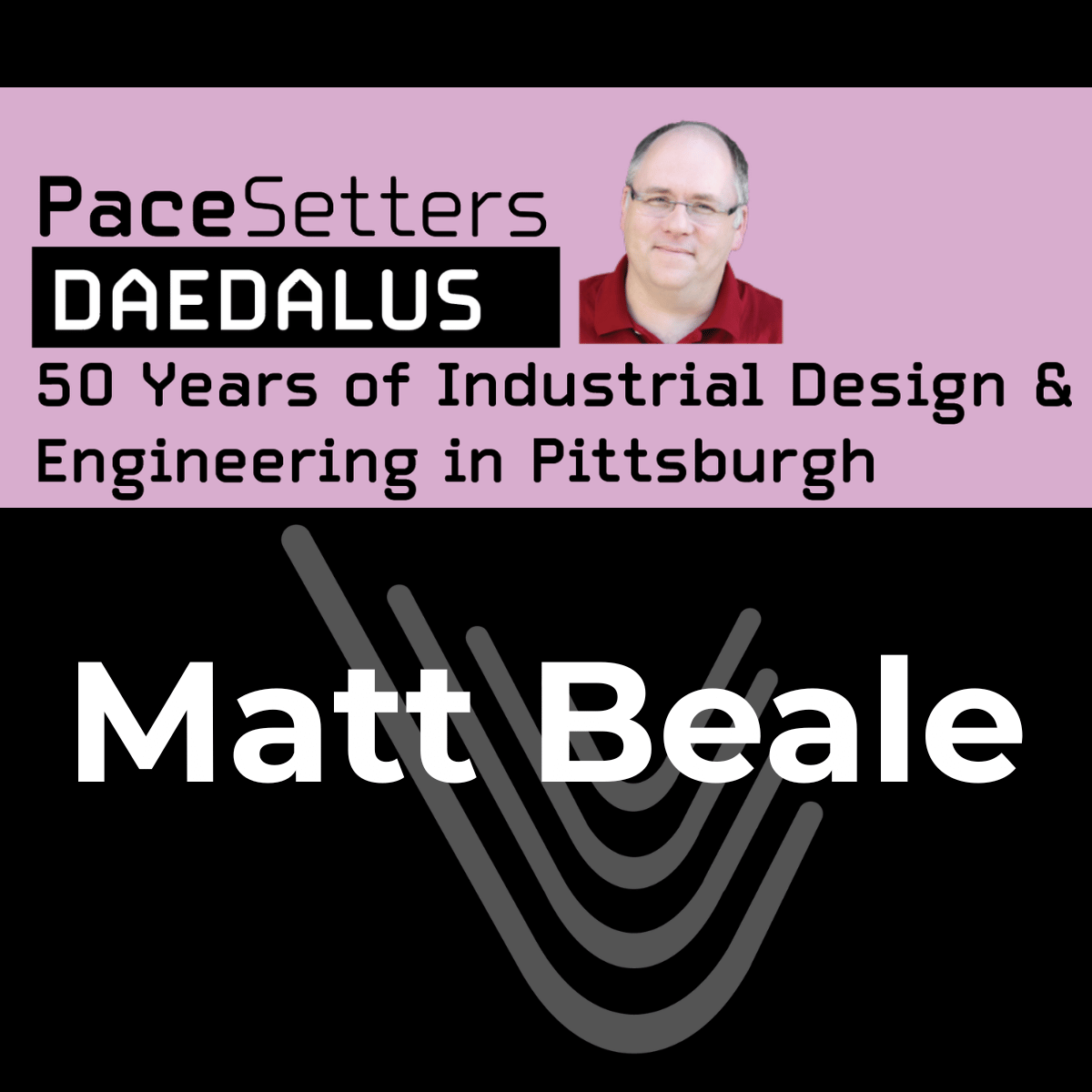 Daedalus: Nearly 50 Years of Turning Ideas Into Products
Long before “innovation ecosystem” became a standard part of Pittsburgh’s vocabulary, Daedalus was helping companies turn ideas into products. President Matt Beale traces the Pittsburgh-based product design and engineering firm’s nearly 50-year evolution and explains why great product development increasingly requires industrial design, mechanical and electrical engineering, software, human factors and other disciplines working together from the beginning. Daedalus has applied that approach across healthcare, medical devices, robotics, energy, industrial products and safety, working with everyone from established corporations to startups emerging from programs such as AlphaLab Health and the Robotics Factory. The firm’s history is also intertwined with Pittsburgh’s own technology evolution, including relationships with companies that grew from the region’s Westinghouse-era industrial base. Today, Daedalus is incorporating AI and machine learning into its work while remaining focused on something refreshingly fundamental: understanding the user, solving the right problem and carrying an idea all the way from concept to something that can succeed in the real world.